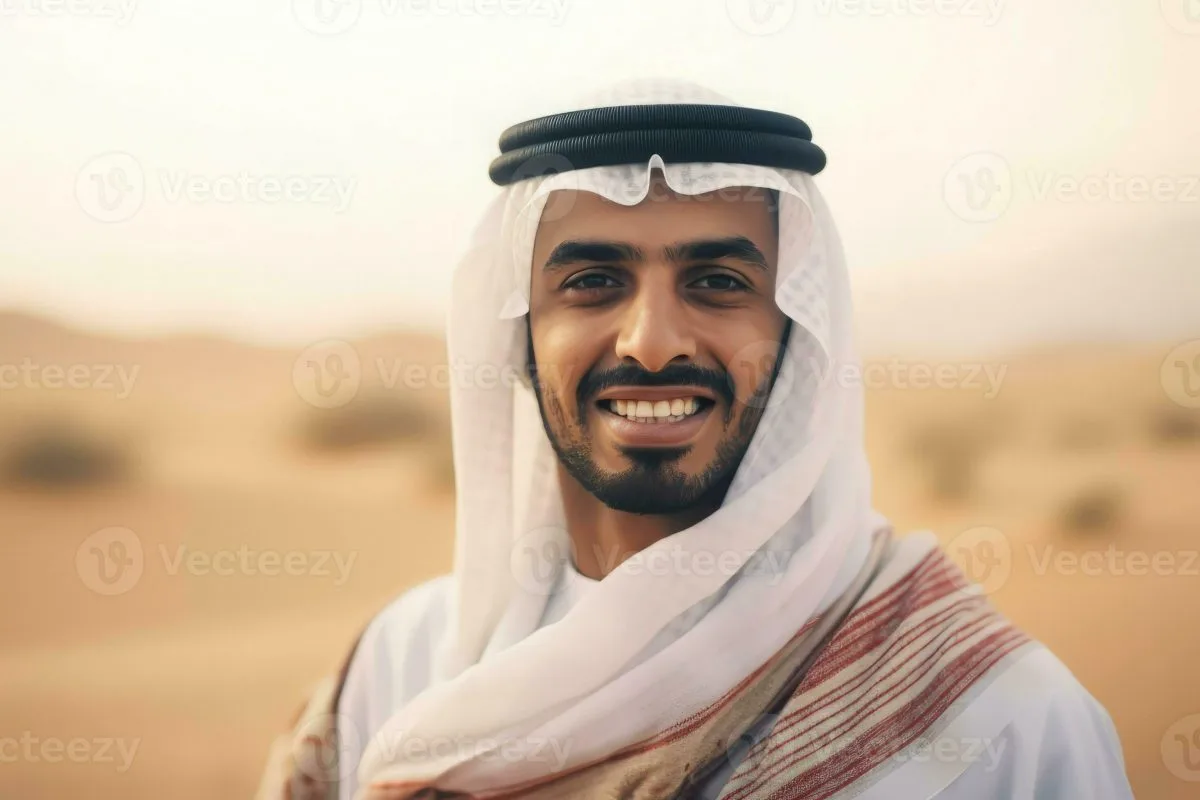

Essential Dress Code Overview
Choosing the right attire for an evening desert safari in Abu Dhabi ensures you remain comfortable across shifting temperatures, outdoor adventure activities, and Bedouin camp dining. Desert conditions require clothes that accommodate warm late-afternoon sunshine, active sand activities like sandboarding, cool evening winds, and local cultural norms.
Below is a practical dress code guide covering clothing choices, seasonal modifications, footwear, and cultural modesty advice.
Recommended Clothing by Category
1. Light, Breathable Fabrics (Afternoon Warmth)
During the afternoon pickup and sunset dune bashing phase, temperatures range from 28°C to 35°C (82°F to 95°F) in winter, and up to 42°C (107°F) in summer. Wear loose-fitting clothes made from natural, breathable fabrics like cotton, linen, or moisture-wicking athletic blends.
2. Layering for Cooler Winter Nights
Because sand loses heat rapidly after dark, desert temperatures drop significantly after sunset. From November through March, nighttime temperatures in Al Khatim drop to 14°C - 18°C (57°F - 64°F) accompanied by cool desert breezes. Bring a light denim jacket, fleece pullover, or pashmina shawl for the evening camp shows and BBQ dinner.
3. Pants vs. Shorts Guidance
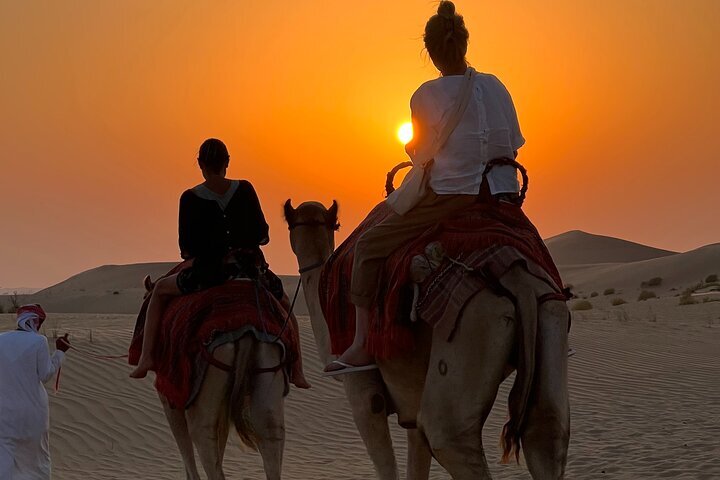
- Long Light Pants / Chinos / Leggings: Highly recommended. Long pants protect your legs from hot leather car seats, sand friction during camel rides, and fine sand during sandboarding.
- Shorts: Knee-length loose shorts are acceptable for men and women, but avoid very short athletic shorts for comfort during activity participation.
Footwear Advice: Closed Shoes vs. Sandals
| Footwear Type | Recommendation Level | Why It Works |
|---|---|---|
| Sneakers / Trainers | HIGHLY RECOMMENDED | Ideal for climbing dunes, sandboarding, and quad biking. Keeps sand off feet. |
| Flip-Flops / Sandals | Good for Camp Area Only | Easy to slip off inside carpeted camp majlis, but sand slips inside during dune climbing. |
| High Heels / Dress Shoes | DO NOT WEAR | Heels sink deep into soft sand, making walking impossible and risking ankle injury. |
Prepare for Your Desert Adventure
Book your evening desert safari package with free hotel pickup and all-inclusive camp entertainment.
Book Evening Safari NowCultural Modesty Guidelines
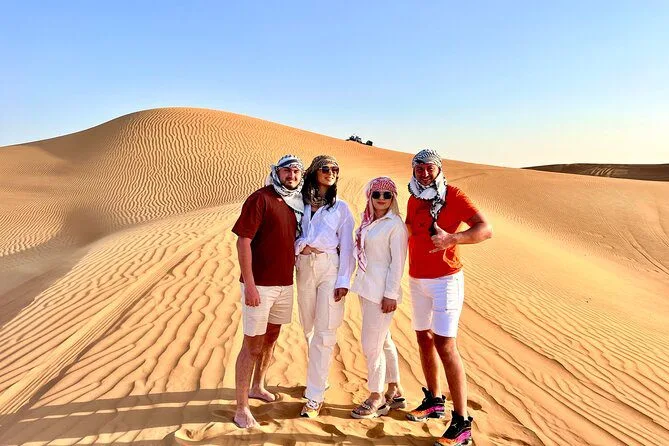
While desert safaris maintain a casual tourist atmosphere, respect for UAE cultural norms is appreciated. Avoid sheer or overly revealing clothing. T-shirts, polo shirts, blouses, maxi dresses, and casual trousers are all perfectly appropriate for female and male travelers alike.
Daytime Heat vs. Nighttime Desert Temperature Drops
Because dry quartz sand has a low heat storage capacity, desert temperatures change rapidly between day and night. While afternoon temperatures reach 30°C to 35°C (86°F to 95°F) in winter, nighttime desert air drops down to 14°C to 18°C (57°F to 64°F) after dark. Bringing a lightweight jacket or pashmina shawl ensures you stay warm during evening camp performances and outdoor BBQ dining.
Footwear Guide: Sneakers vs. Sandals
Wearing closed athletic sneakers or trainers with socks is strongly recommended for dune climbing, sandboarding, and quad biking. Closed shoes prevent hot sand from burning your feet during afternoon stops. Once inside the carpeted Bedouin camp, guests can easily switch to sandals or flip-flops for relaxed majlis seating.
Frequently Asked Questions About Safari Dress Code
1. Can women wear shorts or dresses on an Abu Dhabi desert safari?
Yes. Knee-length shorts, T-shirts, blouses, and maxi dresses are perfectly fine. However, long trousers or cotton pants are recommended for sandboarding and camel riding comfort.
2. Do I need a jacket for an evening desert safari in winter?
Yes! Desert sand loses heat rapidly after dark. Between November and March, nighttime temperatures in Al Khatim drop to 14°C - 18°C (57°F - 64°F) with cool breezes. Bring a light denim jacket, fleece, or shawl.
3. What footwear should I wear to the desert?
Closed athletic sneakers or trainers with socks are strongly recommended for walking on dunes, sandboarding, and quad biking. Avoid high heels or dress shoes, which sink deep into soft sand.
4. Should I bring sunglasses and a hat?
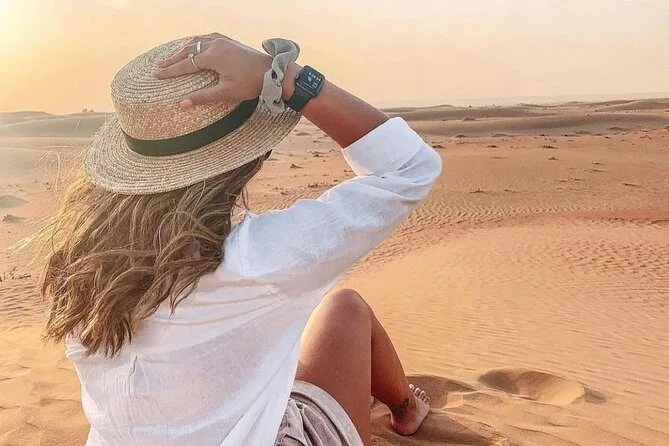
Yes. UV sunglasses protect your eyes from afternoon sun glare and wind-blown sand. A light hat or headscarf (shemagh) provides excellent sun protection.
5. What is the dress code for the Bedouin camp area?
The camp maintains a casual, comfortable tourist atmosphere. Respectful casual attire (T-shirts, trousers, summer dresses) is completely suitable for dining and watching live shows.
Comprehensive Apparel Guide by Activity Type
To ensure maximum comfort throughout your 6-hour excursion, tailor your clothing choices to specific activities:
1. Clothing for Dune Bashing & Sandboarding
Wear durable, stretchable cotton trousers or athletic leggings paired with a short-sleeved t-shirt. Avoid loose skirts or delicate silk fabrics that can get snagged during sandboarding or dune climbing.
2. Apparel for Bedouin Camp Dining & Shows
During the evening barbecue dinner, casual shorts or trousers with a light sweater or cardigan keep you comfortable as temperatures drop under the desert night sky.
Sun Protection Accessories Checklist
- Polarized UV400 Sunglasses: Crucial for protecting your eyes from bright sand reflections and wind-blown dust during sunset stops.
- Cotton Shemagh / Arabian Scarf: Wrapping a light cotton scarf around your neck and face shields your skin from direct sunlight and desert breezes.
- SPF 50+ Broad Spectrum Sunscreen: Apply sunscreen generously 30 minutes before stepping into the afternoon sun.
Seasonal Footwear & Clothing Modification Matrix
Adjust your attire based on the specific month of your visit to guarantee comfort:
1. Winter Months (November to February)
Daytime temperatures range between 24°C and 28°C, dropping to 14°C at night. Wear long trousers, a breathable cotton t-shirt, and bring a warm denim jacket, windbreaker, or fleece sweater for the camp evening.
2. Summer Months (June to September)
Late afternoon temperatures reach 38°C to 42°C. Wear light-colored, ultra-breathable linen or moisture-wicking short-sleeve shirts. Bring a spare t-shirt in your daypack to change into after sandboarding.
Summary Checklist of Clothing Recommendations
In summary, wear loose-fitting cotton or linen clothing, comfortable closed athletic sneakers, and long light pants for sandboarding. Bring a light denim jacket or fleece pullover for cooler evening camp temperatures between November and March. Respectful casual attire is appreciated, and high heels should be avoided completely.
Comments (0)
Be the first to leave a comment on this article!
Leave a Reply